No disabled child should be forced to live in TEMPORARY homes
Across England, an estimated 21,000 disabled children are currently living in temporary accommodation. Many are staying in hostels, B&Bs and other forms of emergency housing that are inaccessible, unsafe and damaging to their health, wellbeing and development.
Safe Homes for Disabled Children is a national campaign bringing together families, charities, disability organisations, academics, health professionals and parliamentarians to ensure every disabled child has access to a safe, secure and accessible home.
We’re calling for an end to the use of emergency accommodation — including B&Bs and hostels — for disabled children.
A home should be the foundation for a child's health, education and future.
Yet thousands of disabled children are living in temporary accommodation that does not meet their needs.
Families are often placed in accommodation without lifts, ramps, adapted bathrooms or enough space to support children safely.
For many families, these placements are not temporary. Children can spend months or even years waiting for a suitable home. Some families have reported living in temporary accommodation for more than six years.
Disabled children deserve better.
Our supporters
Lord Williams PC
Former Archbishop of CanterburyLady Cherie Blair KC CBE
Human rights lawyer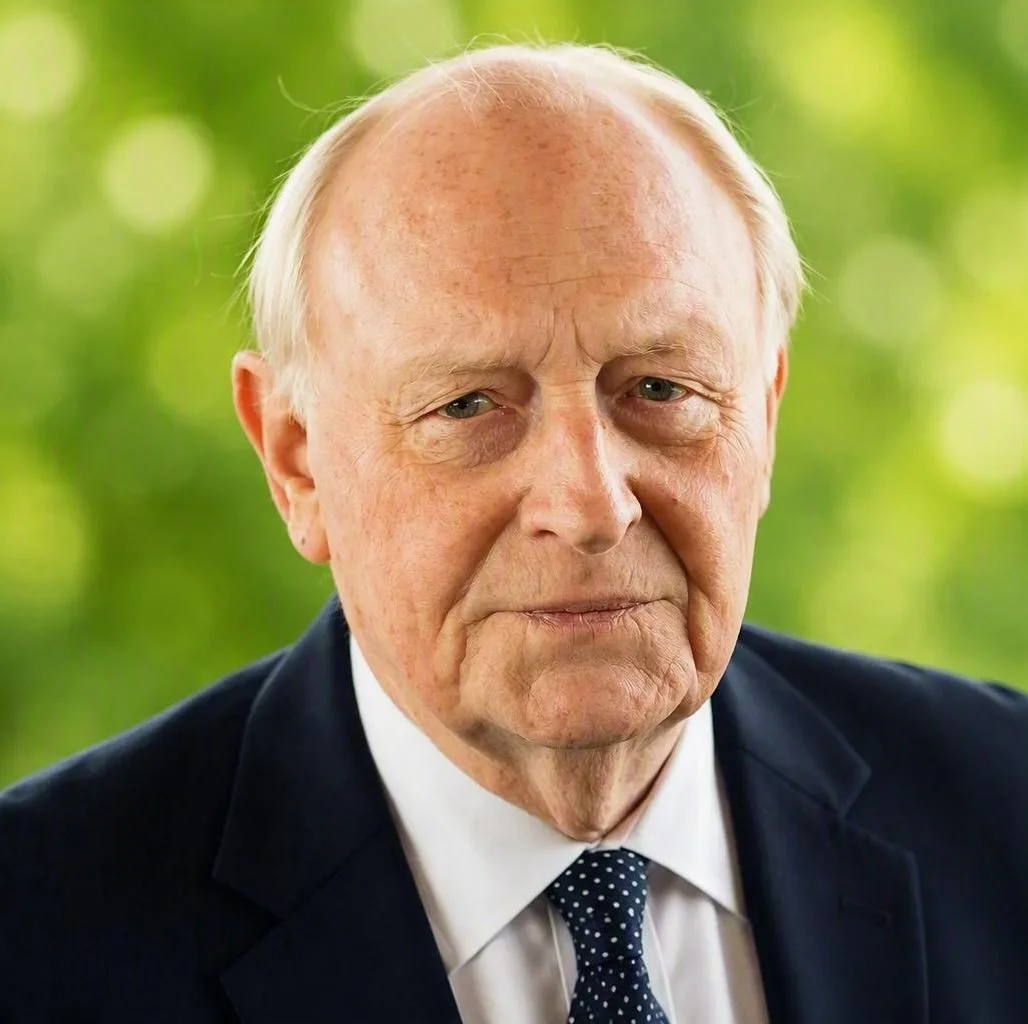
Lord Neil Kinnock
Former Leader of the Labour Party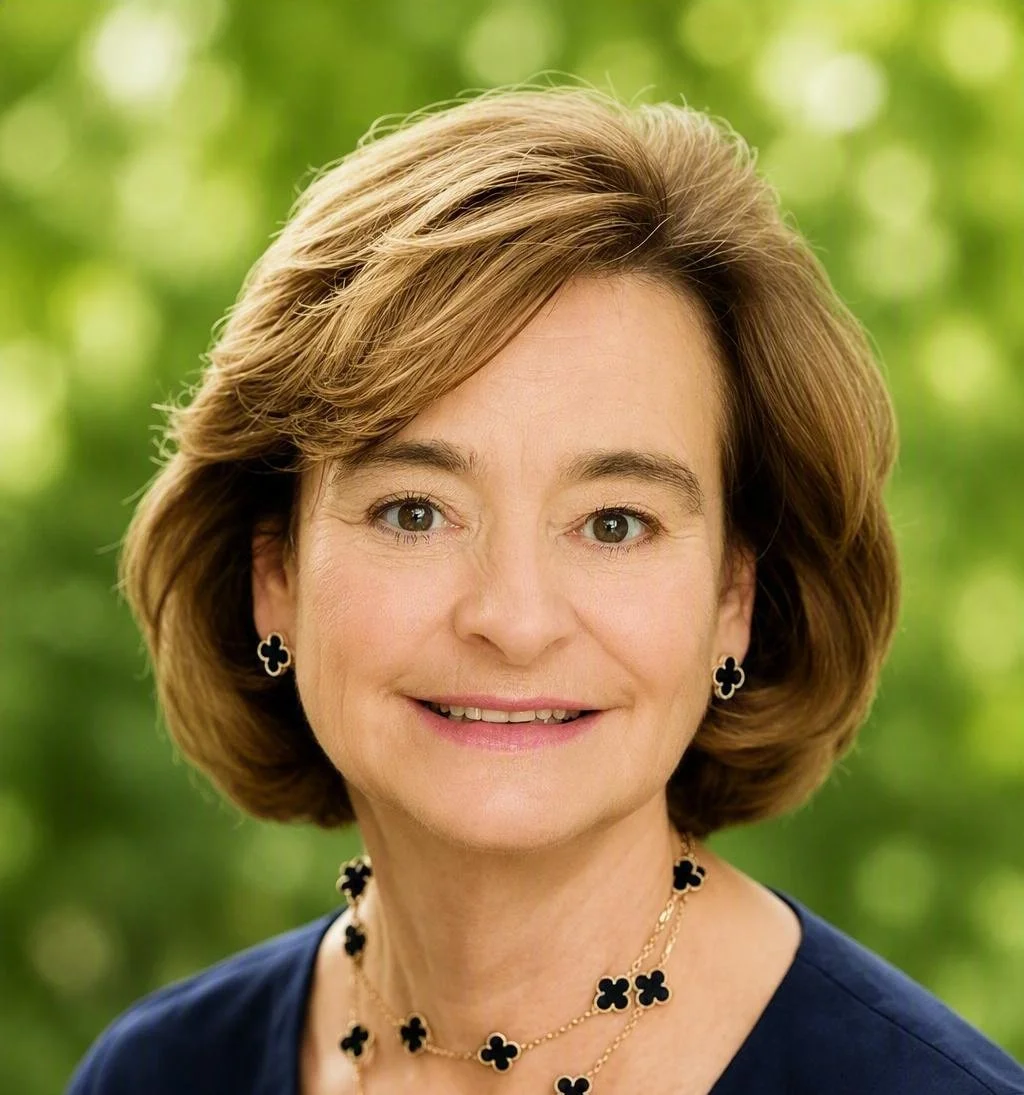

The hidden reality
Research from Variety, the Children’s Charity, has uncovered a crisis that has remained largely invisible.
Around 21,000 disabled children are estimated to be living in temporary accommodation across England.
Disabled children make up approximately 13% of all children in temporary accommodation.
Families typically spend at least six months in temporary accommodation, with many staying much longer.
The longest stay identified through our research was more than six years.
The consequences are severe and tragic. Between 2019 and 2025, at least 104 children died with temporary accommodation contributing to their vulnerability or ill health. 76 were under the age of 1.
What unsuitable housing means for disabled children
Living in temporary accommodation can affect
every aspect of a child's life:
👨⚕️
Health
Poor housing conditions can worsen physical and mental health. Families report mould, overcrowding, poor accessibility and difficulty accessing healthcare and support services.
👩🏫
Education
Many children experience disruption to their schooling, social relationships and routines, affecting both learning and development.
💡
Independence
For disabled children, inaccessible accommodation can create daily barriers, from being unable to use a wheelchair safely to difficulties accessing bathrooms, bedrooms and outdoor spaces.